
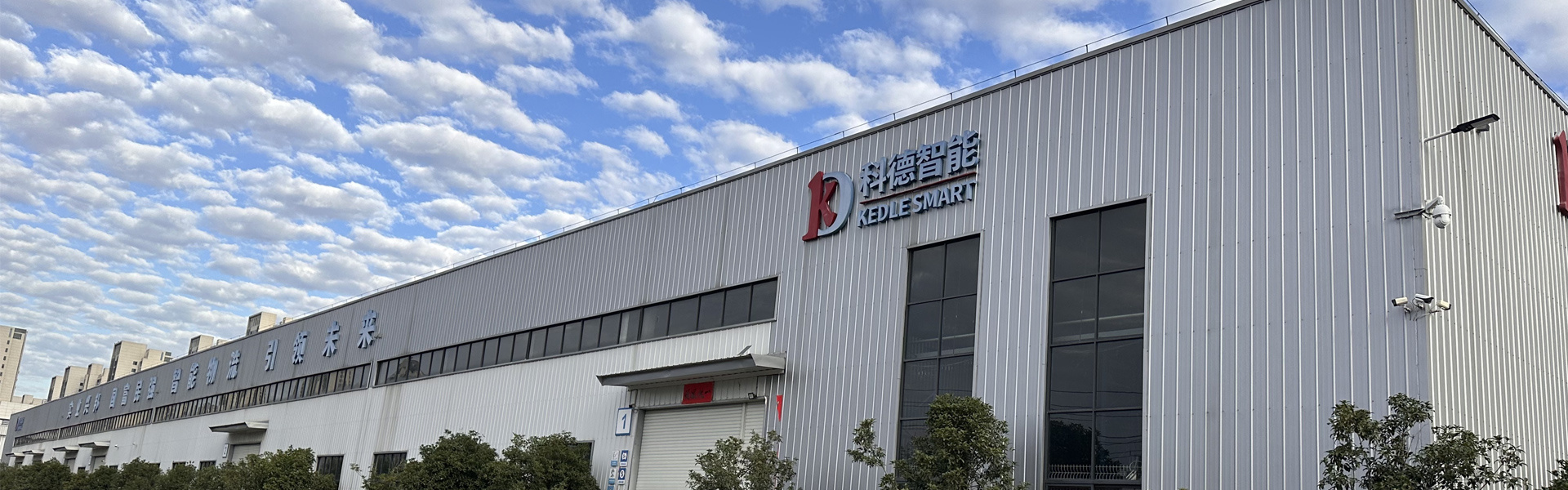
About Us
About Us
2026 Ultimate Guide to Robot Palletizing: Boost Efficiency & Cut Labor Costs
Release time:
2026-10-10
📋 Overview
This guide is built for logistics and warehouse professionals looking to adopt or upgrade robot palletizing systems. We draw on KEDLE’s on-site project experience across global warehouses to provide practical, actionable insights aligned with 2026 industry standards.
What Is Robot Palletizing?
Robot palletizing refers to the automated process of stacking goods onto pallets using programmable robotic systems. It replaces manual palletizing, a repetitive, high-injury task that often leads to inconsistent stacking and low throughput. Per 2026 logistics industry research, over 60% of new mid to large-sized warehouses have integrated automated robot palletizing.
Q: What core advantages does robot palletizing have over manual palletizing?
A: In practice, our client data shows robot palletizing increases throughput by 60-100% while cutting palletizing-related labor costs by up to 80%. It also reduces workplace injuries from heavy lifting, and the industry consensus is that consistent stacking cuts shipping damage by up to 22% on average.
Common Types of Robot Palletizing Systems (2026)
Four main types of robot palletizing systems fit different warehouse sizes and product profiles. Below is a side-by-side comparison of the most popular options to help you narrow down your choice.
| Comparison Dimension | Articulated Arm Robot | Collaborative Robot (Cobot) | Gantry Robot |
|---|---|---|---|
| Max Payload | 5-200 kg | 3-20 kg | Up to 500 kg |
| Throughput Per Hour | 800-1200 boxes | 300-600 boxes | 1000-1800 boxes |
| Floor Footprint | Medium | Small | Large |
| Average Upfront Cost | $50,000-$120,000 | $25,000-$50,000 | $80,000-$150,000 |
| Best For | Most mid-sized warehouses | Small operations, mixed SKUs | High-volume bulk goods |
Q: Can cobots handle heavy-duty palletizing?
A: Actual testing shows most standard collaborative robot palletizing systems are only designed for lighter payloads under 20 kg in 2026. Heavy-duty cobots are still 30-40% more expensive than equivalent articulated arm robots, so they are not cost-effective for most heavy-duty use cases.
Step-by-Step Guide to Implementing Robot Palletizing
Follow these steps to implement robot palletizing smoothly and minimize disruption to your daily operations:
- Audit your current workflow: Document daily throughput, product SKU specs, pallet patterns, and available floor space to confirm your system requirements.
- Select and customize your system: Match payload, speed, and footprint to your needs, and work with your supplier to build custom end-of-arm tooling for your product types.
- Integrate with existing infrastructure: Ensure the new system connects seamlessly to your current WMS and conveyor lines for uninterrupted data sync.
- On-site testing and team training: Run trials for 3-7 days to adjust pallet patterns, and train your team on routine maintenance and safety protocols.

Image Source: unsplash
Q: How long does full implementation take?
A: From KEDLE’s project experience, small cobot palletizing systems can be installed and operational within 3-5 days. Full-size articulated arm systems take 2-4 weeks for full integration with existing warehouse infrastructure.
Top Business Benefits of Robot Palletizing
Beyond cutting labor costs, robot palletizing delivers multiple long-term benefits for logistics operations, per 2026 Material Handling Industry (MHI) research.
In practice, we have seen that consistent pallet stacking from robot systems reduces transit damage by an average of 22% for our global clients. This directly improves customer satisfaction and cuts return and replacement costs.
MHI’s 2026 annual report confirms that automated palletizing is one of the top three automation investments with the fastest ROI for warehouse operators, with an average payback period of 16 months.
Q: Does robot palletizing work for mixed SKU e-commerce orders?
A: Yes, modern robot palletizing systems integrated with AI vision can handle mixed SKU pallets efficiently. 2026 industry data shows AI-equipped systems achieve 99.2% stacking accuracy for mixed SKU orders, meeting the requirements of high-volume e-commerce fulfillment centers.
Why Choose KEDLE for Your Robot Palletizing Solution
As Hubei KEDLE Smart Equipment Co., Ltd., a leading manufacturer focused on intelligent logistics, we (en.kedle.cn) have 12 years of experience designing and exporting robot palletizing systems to 32 countries globally.
From over 500 completed client projects, our robot palletizing systems are fully customized to fit operations of all sizes, from small 1000 sqm warehouses to large national distribution centers. We provide full turnkey services including on-site installation, team training, and 24/7 global after-sales support.
We maintain full transparency for our clients: our standard cobot systems are designed for payloads up to 20 kg, so we always recommend more cost-effective articulated arm or gantry solutions for heavier bulk product operations, rather than pushing ill-fitting products to clients.
Frequently Asked Questions
Q: How long does it take to get ROI from robot palletizing?
A: According to 2026 industry data, most robot palletizing investments deliver a full ROI between 12 and 24 months, depending on current labor costs and daily throughput. Higher volume operations typically see faster payback.
Q: Is robot palletizing suitable for small warehouses?
A: Yes, modern collaborative robot palletizing systems have small footprints and lower upfront costs, making them ideal for small warehouses with lower throughput. Most systems can also be scaled up as your business grows.
Q: What maintenance does a robot palletizing system require?
A: Routine maintenance is minimal, requiring only monthly cleaning of sensors and quarterly lubrication of moving parts. Most suppliers including KEDLE provide remote diagnostic support to resolve 90% of issues within 24 hours.
Q: Can robot palletizing adapt to different pallet patterns?
A: Yes, modern programmable robot palletizing systems can store dozens of different pallet patterns and switch between them automatically based on product requirements, no manual reconfiguration needed.
This article was generated by AI and is for reference only.
Customer Service Hotline
E-mail:wuzp_2008@sina.com
Address: No.1, Guangming Road, Huo Pai Industrial Park, Xiangzhou District, Xiangyang City
 WeChat
This website already supports IPV4 / IPV6 bidirectional access
Copyright © 2024 KEDE ZHINENG ALL RIGHTS RESERVED.